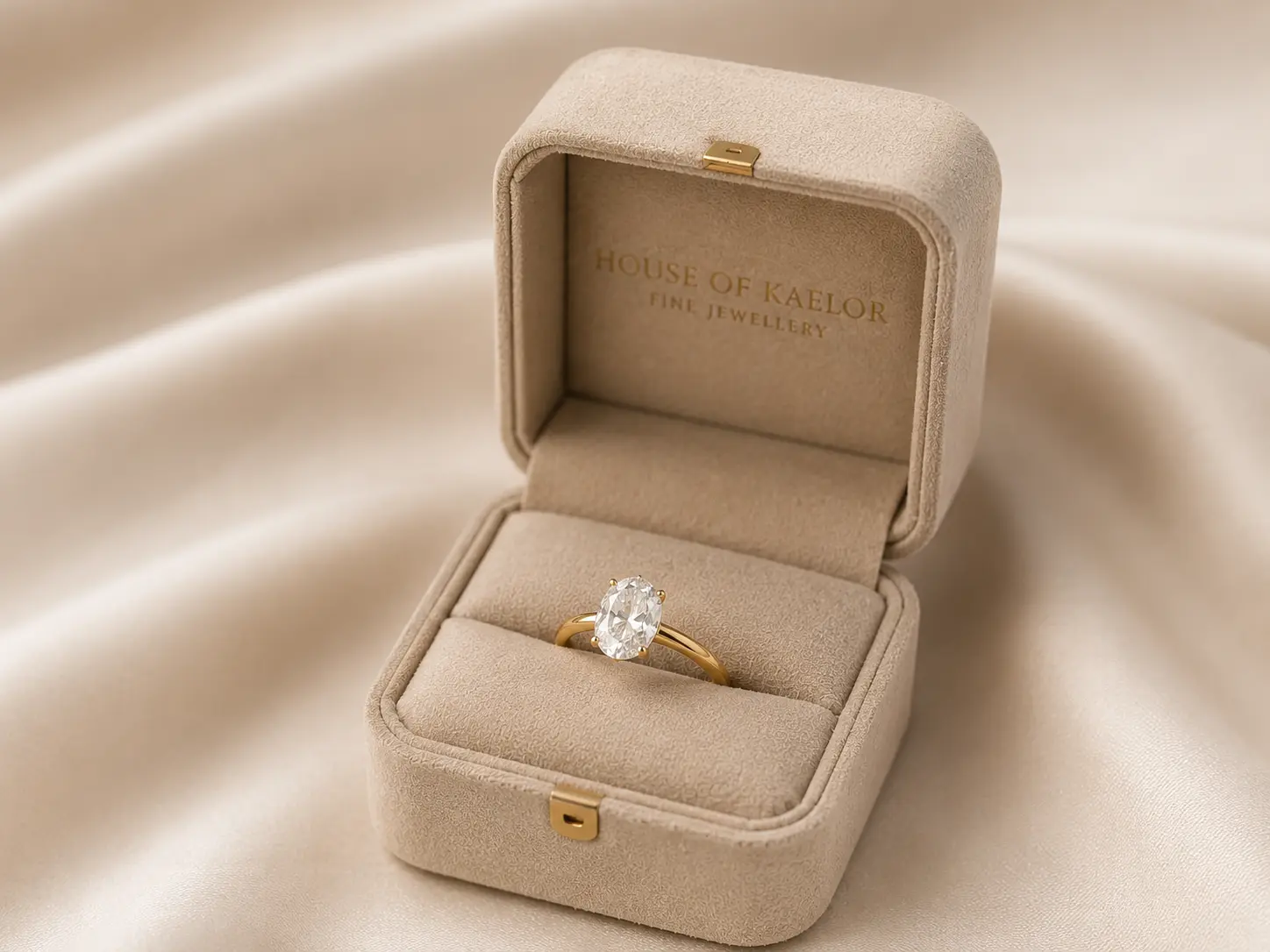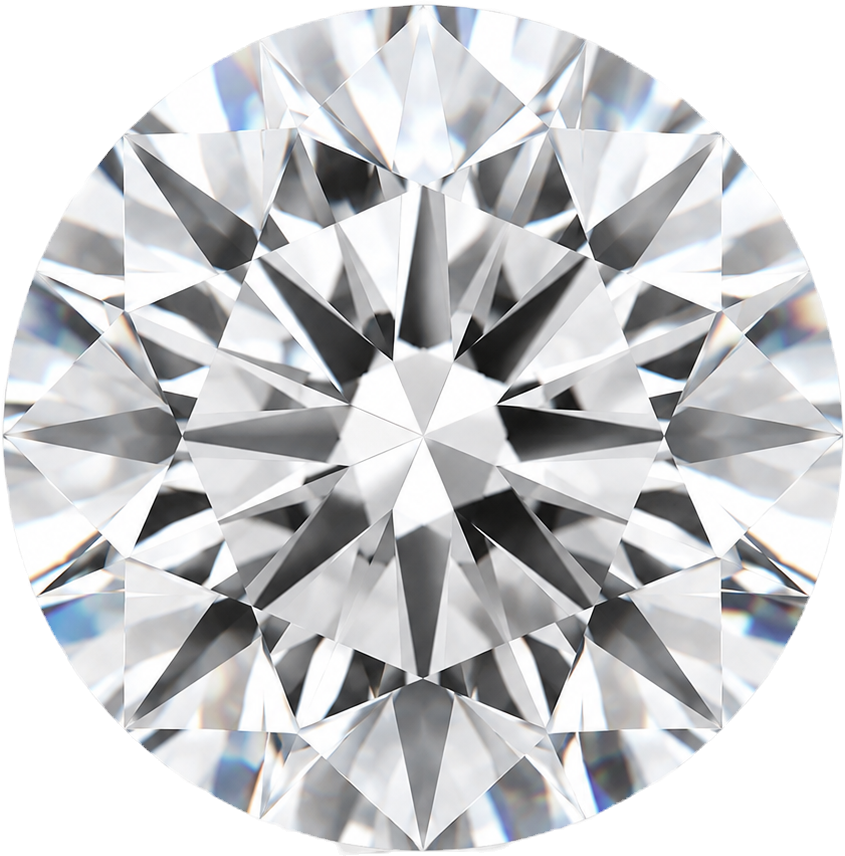
Round Brilliant
Classic and exceptionally brilliant, designed to return light with unmistakable sparkle.
House of Kaelor Diamond Guide
A diamond is more than a set of grades. Learn how shape, proportion and light come together, so you can choose a stone with beauty, character and meaning.
Begin the guideFind your silhouette
Every shape expresses light differently. Discover the outline and character that speaks to you.
Classic and exceptionally brilliant, designed to return light with unmistakable sparkle.
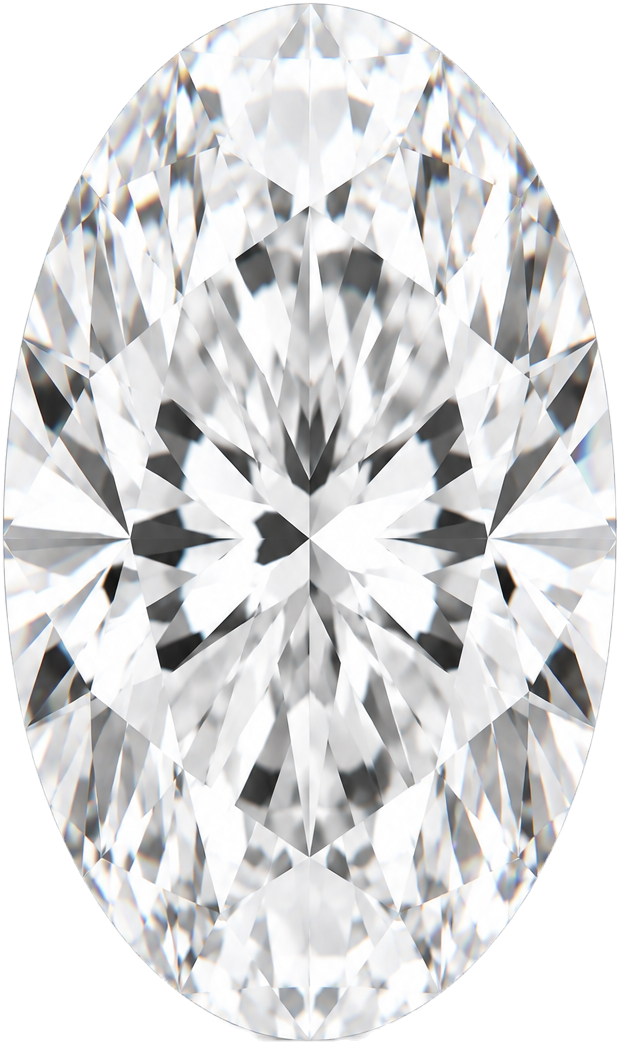
An elegant, elongated silhouette with lively brilliance and graceful finger coverage.
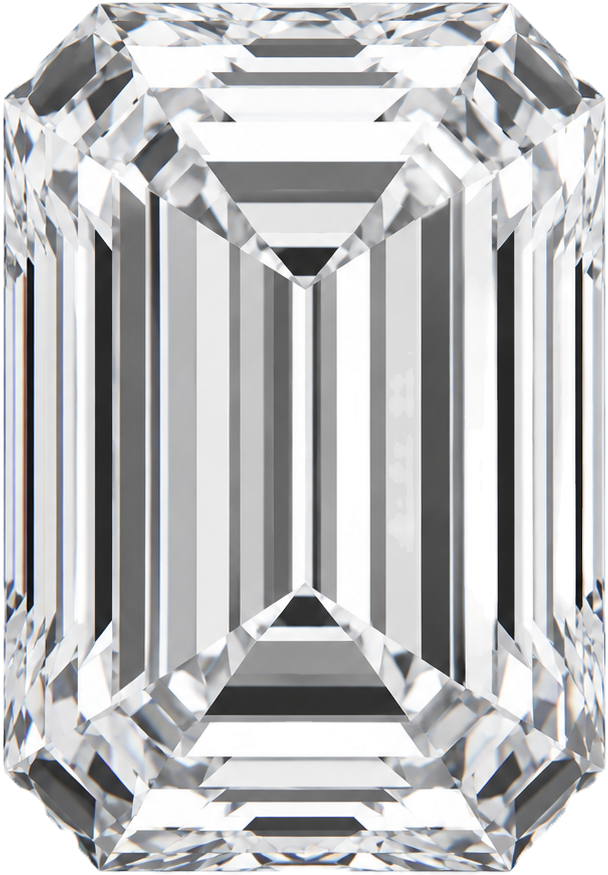
Clean lines and broad flashes of light create a refined, architectural character.
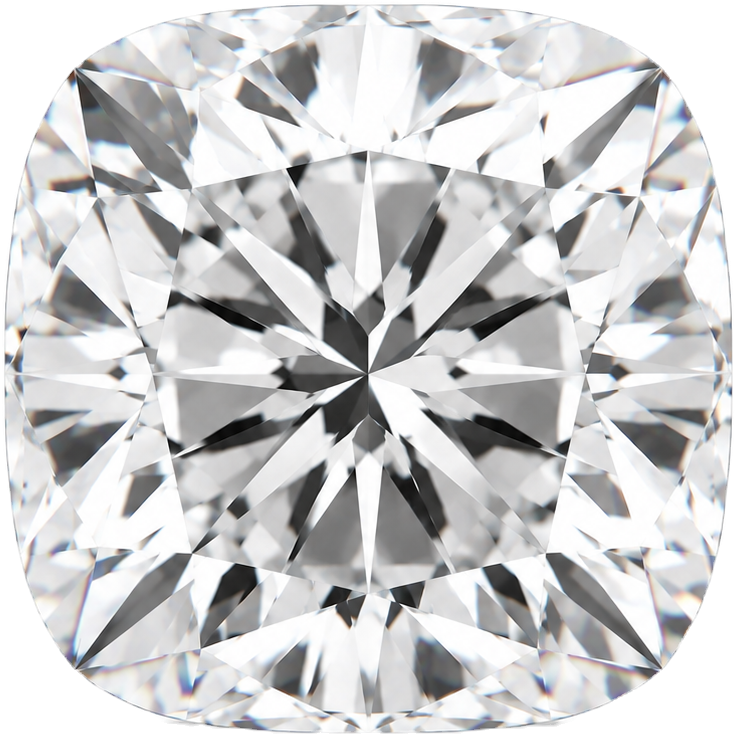
Soft, rounded corners meet lively brilliance for a romantic and balanced appearance.
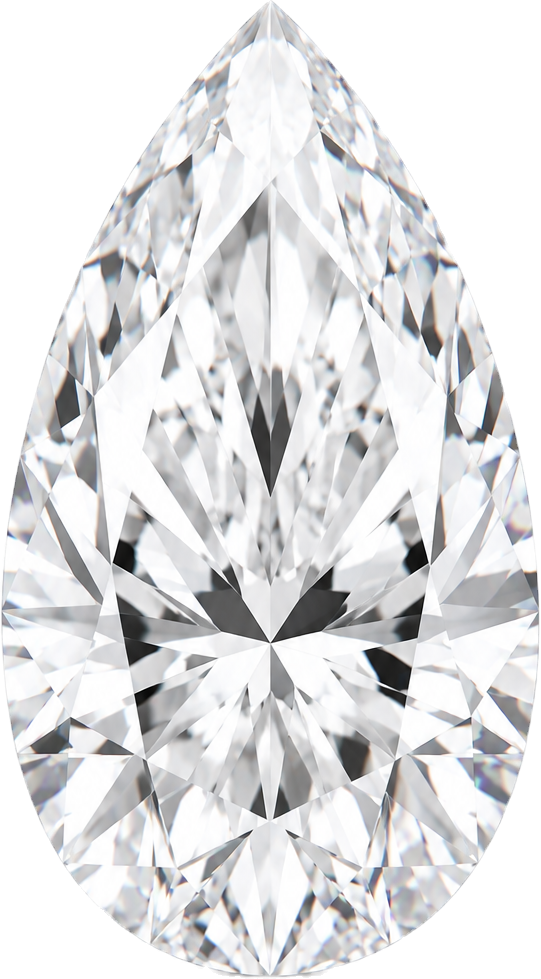
A graceful combination of round and marquise forms, finished with a distinctive point.
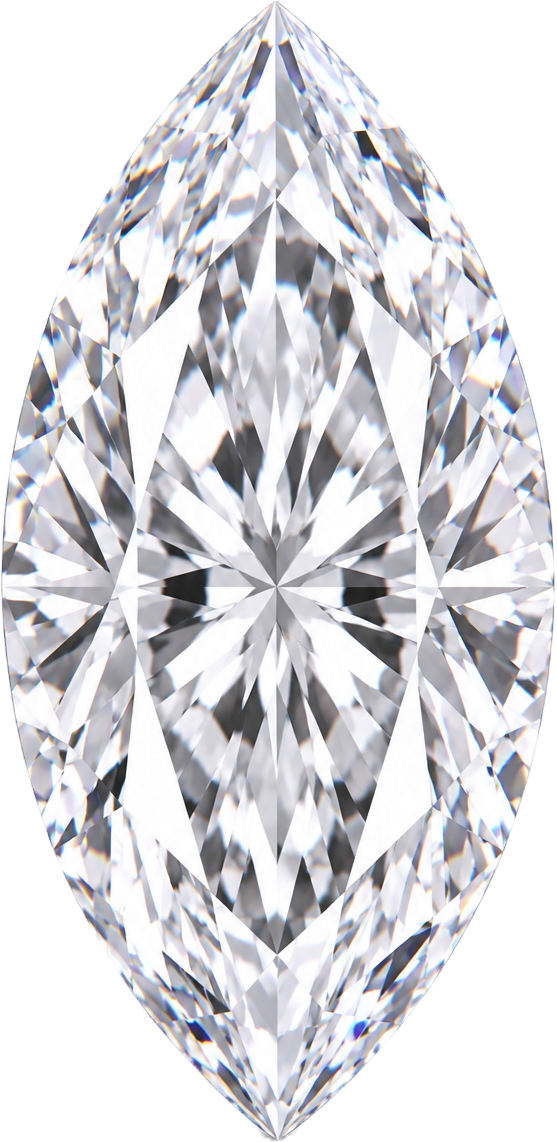
An elongated shape with dramatic points and a striking, lengthening effect.
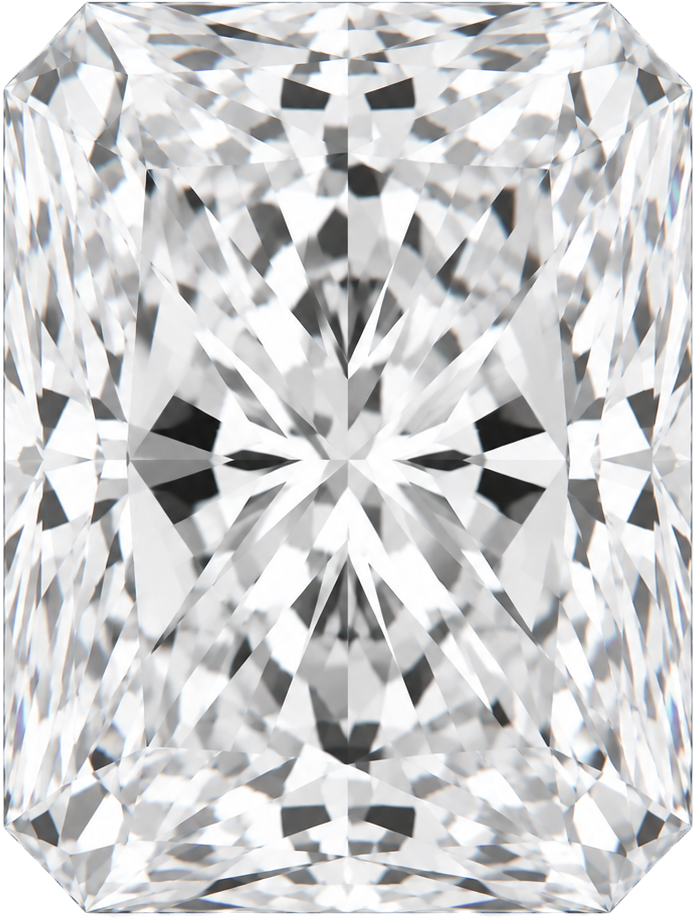
A structured outline with brilliant-style faceting for fire, energy and modern presence.
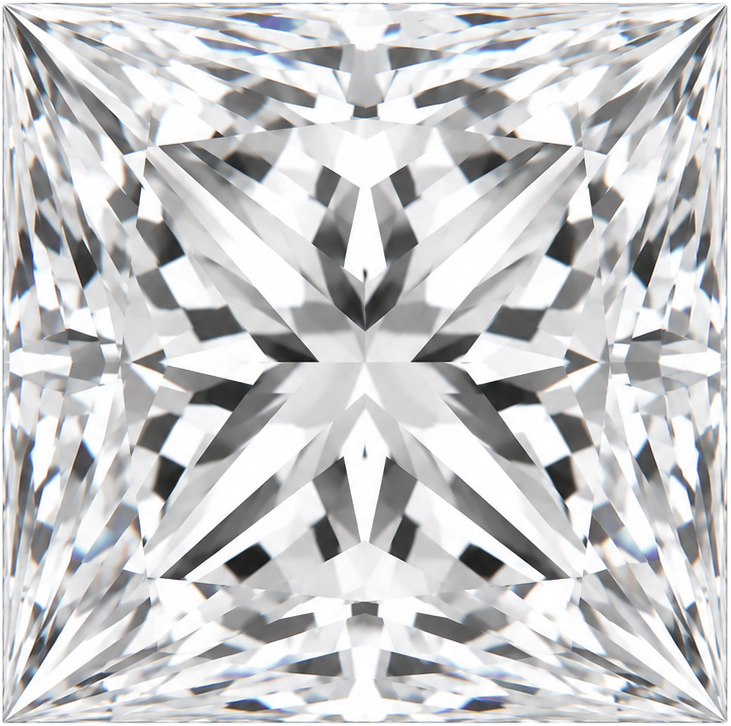
Crisp square edges and brilliant faceting offer a contemporary, high-sparkle look.
Choosing your shape
There is no single best shape. Consider how you want the diamond to look, move and feel on the hand.
Some shapes are designed for intense sparkle; others reveal broader, more considered flashes of light.
Elongated shapes can create a larger visual presence and a graceful lengthening effect.
Length-to-width ratio changes the personality of an oval, pear, marquise, radiant or emerald cut.
The best shape is the one that feels instinctively yours, whether classic, soft, architectural or distinctive.
A universal language
The 4Cs provide a useful foundation for comparison. Their real value lies in understanding how they work together.
The craft behind the light.
Cut describes how successfully a diamond's proportions and facets work together with light. A beautifully cut stone returns brightness, fire and scintillation; a poorly proportioned stone can allow light to escape.
From colourless to softly warm.
White diamonds are graded from D, the most colourless, through increasingly warm tones. The setting, metal colour and diamond shape all influence how colour is perceived once the piece is worn.
The details within.
Clarity considers inclusions and surface characteristics, assessed under magnification. Their position, size and visibility matter as much as the grade itself, which is why every diamond deserves individual inspection.
Weight, not simply size.
Carat measures a diamond's weight; one carat equals 200 milligrams. Two diamonds with the same carat weight can look different in size because shape, depth and proportions determine how that weight is distributed.
A closer look at clarity
Clarity describes the internal inclusions and external characteristics of a diamond. It does not create sparkle—the quality of the cut controls how light performs—but it does shape rarity, reassurance and value.
VVS1 and VVS2 diamonds contain clarity characteristics that are extremely difficult to identify, even under 10× magnification. They offer exceptional purity and lasting reassurance, making VVS our preferred premium clarity range for engagement rings.
VS1 and VS2 diamonds contain minor clarity characteristics that are usually difficult to detect without magnification. A carefully selected VS diamond can appear completely clean to the unaided eye, offering a considered balance of beauty and value.
SI diamonds contain more noticeable clarity characteristics and can vary considerably from one stone to another. House of Kaelor does not use SI-grade diamonds; our clarity standard begins above this range.
A closer look at colour
White diamonds are graded from D to Z, moving from colourless towards progressively warmer tones. The highest letter grade is not automatically the right choice: shape, setting and metal all influence how colour is perceived in the finished piece.
A crisp, bright and colourless appearance. Differences within this range are subtle and are normally identified under controlled grading conditions rather than during everyday wear.
A gentle trace of warmth may be present, although it can be difficult to notice once the diamond is set. Carefully selected grades in this range can offer beautiful brightness and considered value.
A warmer tone becomes part of the diamond's character. This can be a deliberate aesthetic choice, particularly alongside yellow or rose gold, rather than a substitute for a colourless look.
Yellow and rose gold can complement warmth, while platinum and white gold create a cooler visual contrast.
Broad, open facets—such as those of an emerald cut—can reveal body colour more readily than highly brilliant faceting.
We assess a diamond face-up, alongside its intended metal and setting, rather than choosing by the letter alone.
Beyond the certificate
Two diamonds with the same grades can look remarkably different. Proportion, balance and individual character complete the picture.
The outline and visual personality of an elongated shape.
How a diamond's proportions distribute weight and interact with light.
The quality and smoothness of each finished facet.
How precisely the facets align and balance across the stone.
The face-up dimensions that reveal how large a diamond appears.
Independent certification
An independent grading report records the identifying characteristics and assessed quality of a diamond. It supports transparency, but it does not replace seeing how the individual stone performs.
A unique reference that can be independently verified.
The diamond's exact length, width and depth.
Carat weight, colour and clarity assessed by the laboratory.
Polish and symmetry grades, together with fluorescence information.
A microscopic report number that may be inscribed on the diamond's girdle.
Modern origin, enduring beauty
Lab-grown diamonds are real diamonds with the same chemical, physical and optical properties as mined diamonds. They are created in controlled conditions that reproduce the process by which diamonds form. They are then cut, polished and independently graded to the same standards.
Carbon crystal structure, hardness and brilliance.
Assessed for the same recognised quality characteristics.
A modern choice with a transparent, controlled creation process.
House of Kaelor works exclusively with lab-grown diamonds.
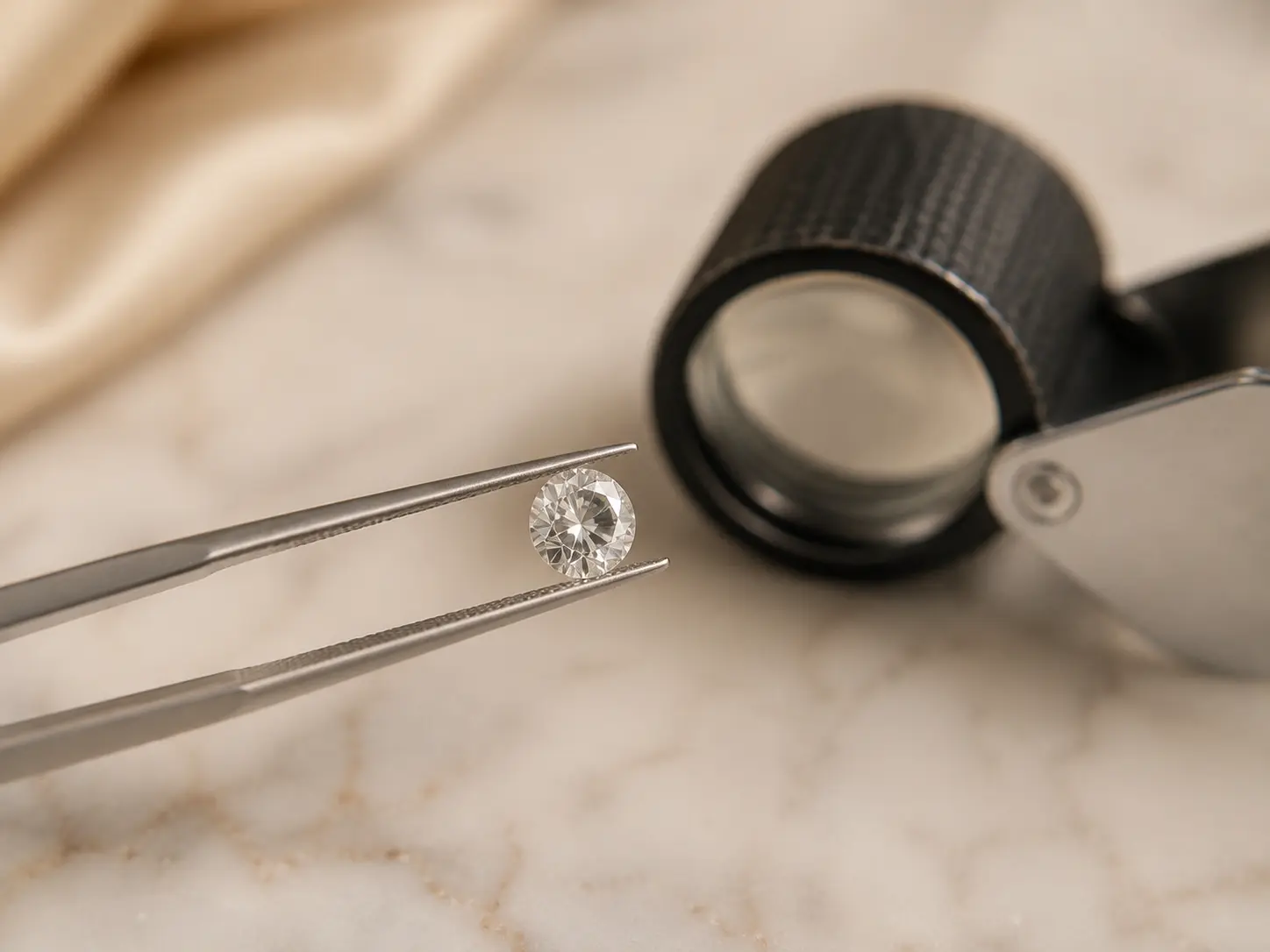
The House of Kaelor standard
A report gives us the facts. Our selection considers what the eye sees: brilliance, proportion, balance and the individual character that makes one diamond feel more compelling than another.
Private consultation
Tell us what you are drawn to and we will help you compare shape, proportion and quality with clarity and confidence.